Buy qhm.eu ?
We are moving the project
qhm.eu .
Are you interested in purchasing the domain
qhm.eu ?
domain@kv-gmbh.de · 0541-91531010
Buy qhm.eu ?
What do push factors and pull factors mean?
Push factors are circumstances that force individuals to leave their current location, such as poverty, political instability, or lack of job opportunities. Pull factors, on the other hand, are conditions that attract individuals to a new location, such as better job prospects, higher quality of life, or political stability. Both push and pull factors play a significant role in influencing migration patterns and decisions. **
To which factors do biotic and abiotic factors belong?
Biotic factors belong to living organisms such as plants, animals, fungi, and bacteria, while abiotic factors belong to non-living elements such as temperature, water, sunlight, soil, and air. Both biotic and abiotic factors play crucial roles in shaping ecosystems and influencing the distribution and abundance of species within those ecosystems. They interact with each other to create complex and dynamic environments. **
Similar search terms for Factors
Top-Angebote
Products related to Factors:
-
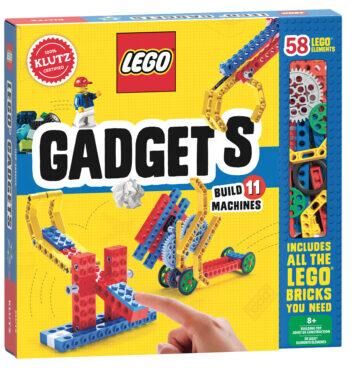
Klutz: LEGO GadgetsThis activity kit will have you building 11 machines including a gravity powered car and a wacky boxing robot. The fun doesn't stop once you've completed all of the projects in the book - open-ended prompts will inspire you to continue experimenting...24,99 $*Shipping: 0,00 $Secure redirect to the provider
-
Multisell Products Hub Magnetic Bottle Opener For Household Mineral Water Plastic Beverage Bottles And Cap Opening, Kitchen Accessories Gadgets whiteEffortless Cap Opening for Everyday Kitchens Upgrade your routine with this 1 pcs Kitchen Accessories Gadgets Magnetic Bottle Opener for Household Mineral Water Plastic Beverage Bottles and Cap Opening designed for convenience and comfort. It makes...34,97 $*Shipping: 0,00 $Secure redirect to the provider
-
HARPERCOLLINS Creative Confidence by Tom & David Kelley – Unleashing Your Creative Potential & Innovation MindsetA powerful and inspiring book from the founders of IDEO, the award-winning design firm, on unleashing the creativity that lies within each and every one of us. Too often, companies and individuals assume that creativity and innovation are the domain of the ‘creative types’. But two of the foremost experts in innovation, design and creativity on the planet show us that each and every one of us is creative. In an entertaining and inspiring narrative that draws on countless stories from their work at IDEO, and with many of the world's top companies and design firms, David and Tom Kelley identify the principles and strategies that will allow us to tap into our creative potential in our work lives, and in our personal lives, allow us to think outside the box in terms of how we approach and solve problems. ‘Creative Confidence’ is a book that will help each of us be more productive and successful in our lives and in our careers.4,95 £*Shipping: 1,99 £Secure redirect to the provider
-
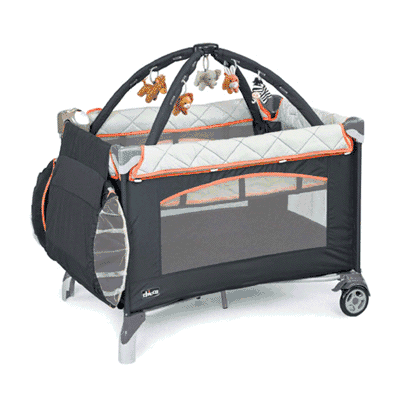
Chicco Lullaby Playard with Electronics in IcebergQuilted mattress is thickly padded for babys nap time or playtime comfort ; Removable mattress covering is easy to machine wash ; Changing table is elevated for ease of use and thickly padded for babys comfort ; Quilted bassinet is perfect for...159,99 $*Shipping: 0,00 $Secure redirect to the provider


-
What is the difference between density-independent factors and abiotic factors?
Density-independent factors are environmental factors that affect a population regardless of its size or density, such as natural disasters or climate change. Abiotic factors, on the other hand, are non-living components of an ecosystem that can influence the survival and growth of organisms, such as temperature, sunlight, and soil composition. While density-independent factors can include abiotic factors, abiotic factors encompass a broader range of non-living elements that can impact an ecosystem. **
-
What are original factors of production and derivative factors of production?
Original factors of production are the primary inputs required for the production process, including land, labor, capital, and entrepreneurship. These factors are essential for creating goods and services. Derivative factors of production are resources that are created or derived from the original factors, such as technology, knowledge, and skills. These derivative factors enhance the productivity and efficiency of the original factors in the production process. **
-
What are social factors?
Social factors are external elements that influence an individual's behavior, beliefs, and interactions within society. These factors can include cultural norms, family dynamics, socioeconomic status, education, and peer influences. Social factors play a significant role in shaping an individual's identity, values, and choices, as they are constantly being influenced by the people and environment around them. Understanding social factors is crucial in addressing societal issues and promoting positive change within communities. **
-
What are unfavorable factors?
Unfavorable factors are circumstances or conditions that work against a desired outcome or goal. These factors can include things like economic downturns, unfavorable market conditions, lack of resources, competition, or external events beyond one's control. Unfavorable factors can hinder progress, create challenges, and make it difficult to achieve success in a particular endeavor. It is important to identify and address these factors in order to mitigate their impact and increase the likelihood of achieving positive results. **

What are location factors?
Location factors are the various aspects that influence the decision of where to establish a business or industry. These factors can include access to transportation and infrastructure, availability of skilled labor, proximity to suppliers and customers, cost of land and labor, government regulations, and quality of life for employees. By considering these location factors, businesses can strategically choose a location that will best support their operations and growth. **
What factors stop growth?
Several factors can stop growth, including lack of access to resources such as education, healthcare, and economic opportunities. Inadequate nutrition and poor living conditions can also hinder physical growth and development. Additionally, environmental factors such as pollution and climate change can have negative effects on growth. Finally, social and political factors such as discrimination, conflict, and instability can create barriers to growth and development. **
Top-Angebote
Products related to Factors:
-
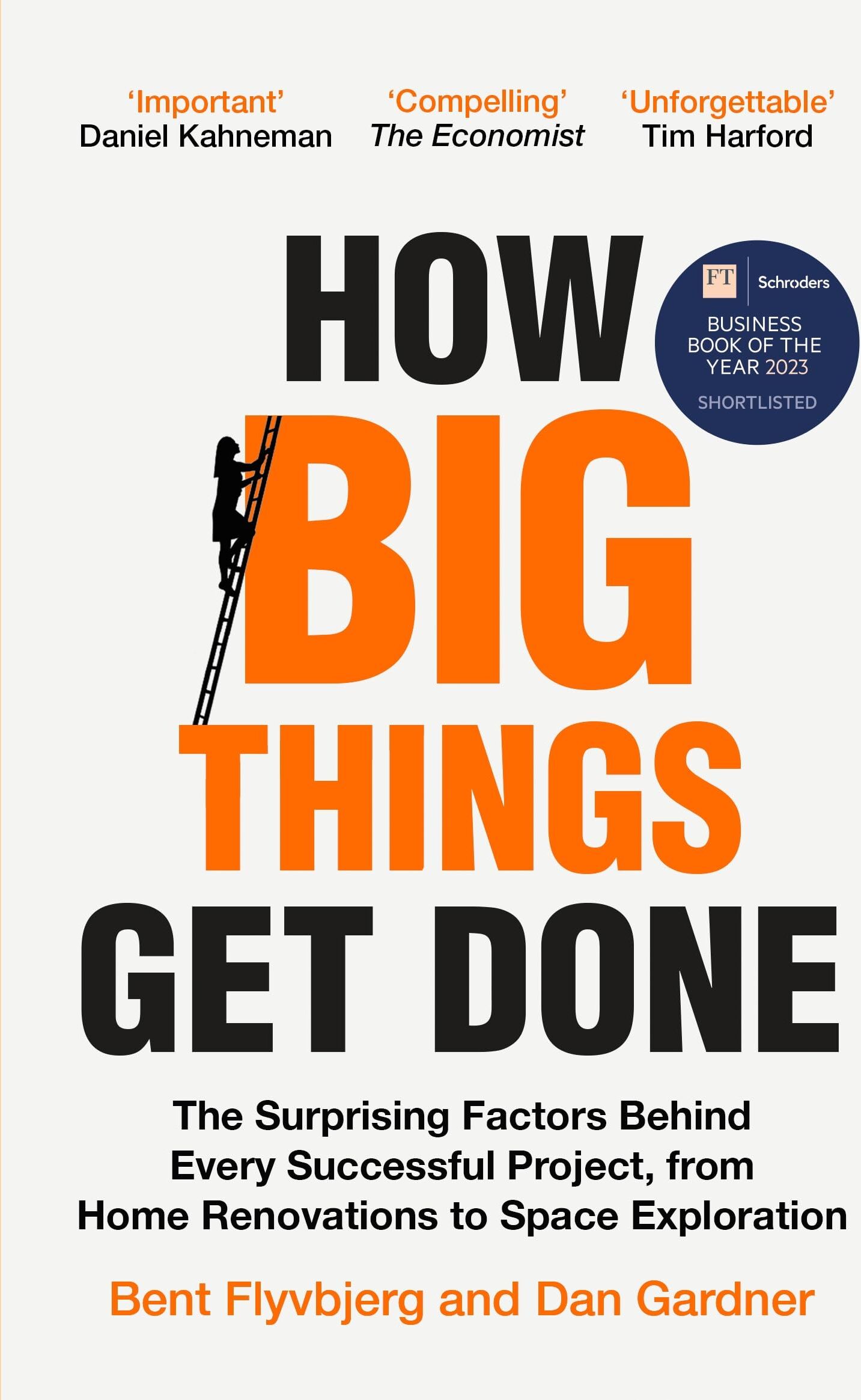
Macmillan Business How Big Things Get Done: The Surprising Factors Behind Every Successful Project, from Home Renovations to Space ExplorationHow Big Things Get Done: The Surprising Factors Behind Every Successful Project, from Home Renovations to Space Exploration Nothing is more inspiring than a big vision that becomes a triumphant new reality. Think of how Apple’s iPod went from a project with a single employee to an enormously successful product launch in eleven months. But such successes are the exception. Consider how London’s Crossrail project delivered five years late and billions over budget. More modest endeavours, whether launching a small business, organizing a conference, or just finishing a work project on time, also commonly fail. Why? Understanding what distinguishes the triumphs from the failures has been the life’s work of Oxford professor Bent Flyvbjerg. In How Big Things Get Done, he identifies the errors that lead projects to fail, and the research-based principles that will make yours succeed: Understand your odds. If you don’t know them, you won’t win. Plan slow, act fast. Getting to the action quick feels right. But it’s wrong. Think right to left. Start with your goal, then identify the steps to get there. Find your Lego. Big is best built from small. Master the unknown unknowns. Most think they can’t, so they fail. Flyvbjerg shows how you can. Full of vivid examples ranging from the building of the Sydney Opera House to the making of the latest Pixar blockbusters, How Big Things Get Done reveals how to get any ambitious project done – on time and on budget.2,99 £*Shipping: 1,99 £Secure redirect to the provider
-
Lush Living Finds Perforated Brick Assembly Toy Accessories With Technology Mechanical Wheels Perforated Brick Assembly Toy Accessories With Technology Mechanical WheelsEnhance Creativity with Technology Mechanical Wheels Unlock the power of innovation with our technology mechanical wheels, designed specifically for perforated brick assembly toy accessories. Whether you are a hobbyist or a seasoned builder, these...43,97 $*Shipping: 0,00 $Secure redirect to the provider
-
Klutz: LEGO GadgetsThis activity kit will have you building 11 machines including a gravity powered car and a wacky boxing robot. The fun doesn't stop once you've completed all of the projects in the book - open-ended prompts will inspire you to continue experimenting...24,99 $*Shipping: 0,00 $Secure redirect to the provider
-
Multisell Products Hub Magnetic Bottle Opener For Household Mineral Water Plastic Beverage Bottles And Cap Opening, Kitchen Accessories Gadgets whiteEffortless Cap Opening for Everyday Kitchens Upgrade your routine with this 1 pcs Kitchen Accessories Gadgets Magnetic Bottle Opener for Household Mineral Water Plastic Beverage Bottles and Cap Opening designed for convenience and comfort. It makes...34,97 $*Shipping: 0,00 $Secure redirect to the provider
-
What do push factors and pull factors mean?
Push factors are circumstances that force individuals to leave their current location, such as poverty, political instability, or lack of job opportunities. Pull factors, on the other hand, are conditions that attract individuals to a new location, such as better job prospects, higher quality of life, or political stability. Both push and pull factors play a significant role in influencing migration patterns and decisions. **
-
To which factors do biotic and abiotic factors belong?
Biotic factors belong to living organisms such as plants, animals, fungi, and bacteria, while abiotic factors belong to non-living elements such as temperature, water, sunlight, soil, and air. Both biotic and abiotic factors play crucial roles in shaping ecosystems and influencing the distribution and abundance of species within those ecosystems. They interact with each other to create complex and dynamic environments. **
-
What is the difference between density-independent factors and abiotic factors?
Density-independent factors are environmental factors that affect a population regardless of its size or density, such as natural disasters or climate change. Abiotic factors, on the other hand, are non-living components of an ecosystem that can influence the survival and growth of organisms, such as temperature, sunlight, and soil composition. While density-independent factors can include abiotic factors, abiotic factors encompass a broader range of non-living elements that can impact an ecosystem. **
-
What are original factors of production and derivative factors of production?
Original factors of production are the primary inputs required for the production process, including land, labor, capital, and entrepreneurship. These factors are essential for creating goods and services. Derivative factors of production are resources that are created or derived from the original factors, such as technology, knowledge, and skills. These derivative factors enhance the productivity and efficiency of the original factors in the production process. **
Similar search terms for Factors
-
HARPERCOLLINS Creative Confidence by Tom & David Kelley – Unleashing Your Creative Potential & Innovation MindsetA powerful and inspiring book from the founders of IDEO, the award-winning design firm, on unleashing the creativity that lies within each and every one of us. Too often, companies and individuals assume that creativity and innovation are the domain of the ‘creative types’. But two of the foremost experts in innovation, design and creativity on the planet show us that each and every one of us is creative. In an entertaining and inspiring narrative that draws on countless stories from their work at IDEO, and with many of the world's top companies and design firms, David and Tom Kelley identify the principles and strategies that will allow us to tap into our creative potential in our work lives, and in our personal lives, allow us to think outside the box in terms of how we approach and solve problems. ‘Creative Confidence’ is a book that will help each of us be more productive and successful in our lives and in our careers.4,95 £*Shipping: 1,99 £Secure redirect to the provider
-
Chicco Lullaby Playard with Electronics in IcebergQuilted mattress is thickly padded for babys nap time or playtime comfort ; Removable mattress covering is easy to machine wash ; Changing table is elevated for ease of use and thickly padded for babys comfort ; Quilted bassinet is perfect for...159,99 $*Shipping: 0,00 $Secure redirect to the provider
-
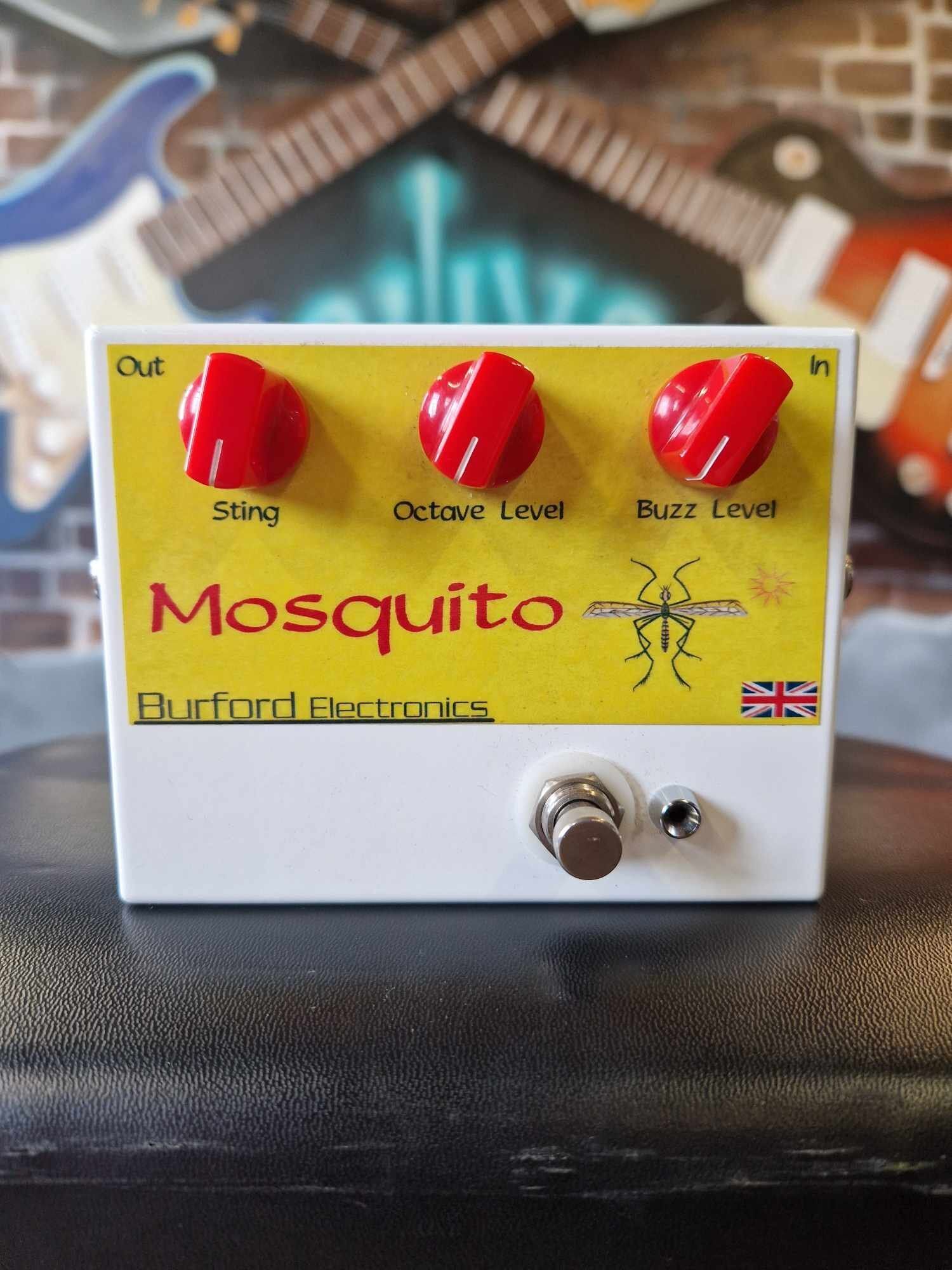
Burford Electronics Mosquito Fuzz Pedal Original - RefurbishedThis is a Burford Electronics Mosquito Fuzz Pedal. The Mosquito is a Fuzz/Octave pedal with a pretty unique sound, being closer to a fuzz more than a distortion this pedal delivers high octane fuzz sounds that will leave a sting. Here's what Burford Electronics say about the Mosquito Pedal: “A unique Octave up fuzz, which will give you pure fuzz on one twist of a knob & octave fuzz on one twist of another knob. So you can have your fuzz setting for a rich body & add octave fuzz to it or turn the fuzz down & just use the octave fuzz control for cutting lead. There is also a control called Sting, this is a tone filter that alters the voice of the octave from sharp to mellow. The octave is not over the top, on the lower register it is quite subtle, you can even play power chords and it holds together extremely well. Without that horrible modulation that is associated with some analogue octave up pedals, even some of the legendary expensive ones. Try soloing somewhere from the 8th fret upwards, it is very responsive and particularly so around 12th/15th fret and even higher. Neck and back pick ups give different sounds. Even playing positions will give different responses.”120,00 £*Shipping: 0,00 £Secure redirect to the provider
-
Keeley Electronics Aurora Digital Reverb Pedal Original - RefurbishedThis is a Keeley Electronics Aurora Reverb guitar effects pedal. Made in the USA, this pedal offers as many different reverb sounds in one pedal as Keeley could manage. As well as having three different reverb styles you get huge control of the Decay, Slapback, warmth and blend meaning you have access to the most inspiring reverb from pristine, fast reflection to ethereal spaces to deep, dark and endless caverns. Here’s what Keeley say about the Aurora; The Keeley Aurora Reverb provides the essentials guitarists are looking for when they need reverb on their pedal boards. Like that ethereal glow to the mighty Earth herself, Aurora creates a natural halo of sound in the atmosphere of your magnificent core tone.100,00 £*Shipping: 0,00 £Secure redirect to the provider
-
What are social factors?
Social factors are external elements that influence an individual's behavior, beliefs, and interactions within society. These factors can include cultural norms, family dynamics, socioeconomic status, education, and peer influences. Social factors play a significant role in shaping an individual's identity, values, and choices, as they are constantly being influenced by the people and environment around them. Understanding social factors is crucial in addressing societal issues and promoting positive change within communities. **
-
What are unfavorable factors?
Unfavorable factors are circumstances or conditions that work against a desired outcome or goal. These factors can include things like economic downturns, unfavorable market conditions, lack of resources, competition, or external events beyond one's control. Unfavorable factors can hinder progress, create challenges, and make it difficult to achieve success in a particular endeavor. It is important to identify and address these factors in order to mitigate their impact and increase the likelihood of achieving positive results. **
-
What are location factors?
Location factors are the various aspects that influence the decision of where to establish a business or industry. These factors can include access to transportation and infrastructure, availability of skilled labor, proximity to suppliers and customers, cost of land and labor, government regulations, and quality of life for employees. By considering these location factors, businesses can strategically choose a location that will best support their operations and growth. **
-
What factors stop growth?
Several factors can stop growth, including lack of access to resources such as education, healthcare, and economic opportunities. Inadequate nutrition and poor living conditions can also hinder physical growth and development. Additionally, environmental factors such as pollution and climate change can have negative effects on growth. Finally, social and political factors such as discrimination, conflict, and instability can create barriers to growth and development. **
* All prices are inclusive of VAT and, if applicable, plus shipping costs. The offer information is based on the details provided by the respective shop and is updated through automated processes. Real-time updates do not occur, so deviations can occur in individual cases. ** Note: Parts of this content were created by AI.