Buy qhm.eu ?
We are moving the project
qhm.eu .
Are you interested in purchasing the domain
qhm.eu ?
domain@kv-gmbh.de · 0541-91531010
Buy qhm.eu ?
How can one distinguish ionic compounds from molecular compounds?
Ionic compounds are formed from the attraction between positively and negatively charged ions, while molecular compounds are formed from the sharing of electrons between atoms. One way to distinguish between the two is to look at their chemical formulas. Ionic compounds typically consist of a metal and a nonmetal, while molecular compounds consist of nonmetals only. Additionally, ionic compounds tend to have higher melting and boiling points compared to molecular compounds due to their strong electrostatic attractions. Finally, conducting a simple solubility test can also help distinguish between the two types of compounds, as ionic compounds are often soluble in water while molecular compounds may not be. **
How do you distinguish determinative compounds and possessive compounds?
Determinative compounds are formed by combining two words to create a new concept, where the first word determines the meaning of the second word. For example, "blackboard" is a determinative compound where "black" determines the type of "board." Possessive compounds, on the other hand, indicate possession or relationship between the two words. For example, "John's car" is a possessive compound where "John" possesses the "car." In summary, determinative compounds determine the meaning of the second word, while possessive compounds indicate possession or relationship between the two words. **
Similar search terms for Compounds
Top-Angebote
Products related to Compounds:
-
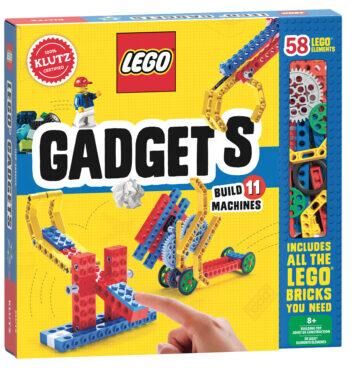
Klutz: LEGO GadgetsThis activity kit will have you building 11 machines including a gravity powered car and a wacky boxing robot. The fun doesn't stop once you've completed all of the projects in the book - open-ended prompts will inspire you to continue experimenting...24,99 $*Shipping: 0,00 $Secure redirect to the provider
-
iFixit Essential Electronics ToolkitThe iFixit Essential Electronics Toolkit is a compact starter repair kit for phones, tablets, laptops, game consoles and other small electronics. It includes a precision bit driver with 16 precision bits plus the basic opening and prying tools needed for common repairs such as screen and battery replacements.40,99 £*Shipping: 0,00 £Secure redirect to the provider
-
Multisell Products Hub Magnetic Bottle Opener For Household Mineral Water Plastic Beverage Bottles And Cap Opening, Kitchen Accessories Gadgets whiteEffortless Cap Opening for Everyday Kitchens Upgrade your routine with this 1 pcs Kitchen Accessories Gadgets Magnetic Bottle Opener for Household Mineral Water Plastic Beverage Bottles and Cap Opening designed for convenience and comfort. It makes...34,97 $*Shipping: 0,00 $Secure redirect to the provider
-
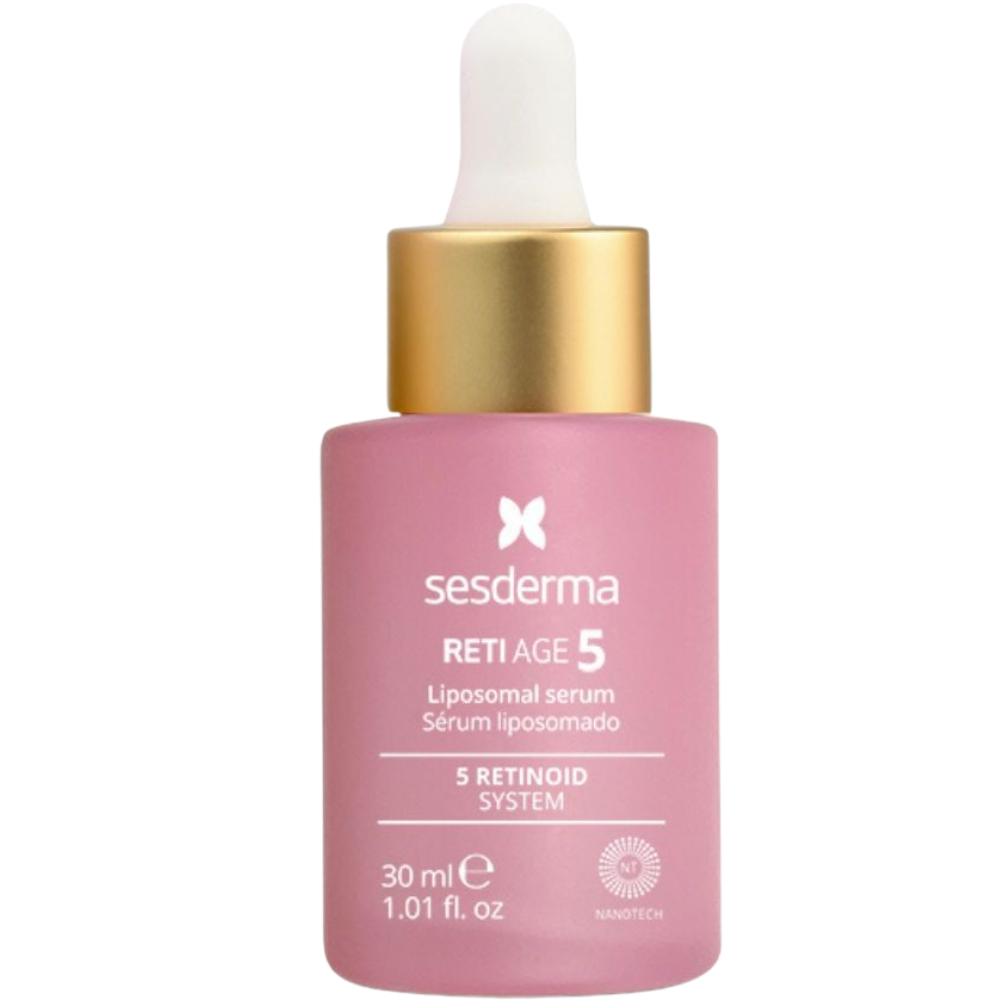
Sesderma Reti Age 5 Liposomal Serum Anti-Aging Innovation 30mLA facial serum for wrinkles and signs of ageing. Reduces wrinkles and fine lines. Hydrates and strengthens barrier. Restores youthful radiance. 5-Retinoid System: smooths wrinkles, accelerates renewal, and boosts collagen. Biomimetic Peptides: fill expression lines by stimulating collagen synthesis.54,51 £*Shipping: 5,34 £Secure redirect to the provider


-
Can you help me with chemistry? I need information about atomic compounds, metal compounds, and ionic compounds.
Of course! Atomic compounds are formed when two or more non-metal atoms are chemically bonded together, such as in molecules like water (H2O) and carbon dioxide (CO2). Metal compounds are formed when a metal atom is bonded to one or more non-metal atoms, such as in compounds like sodium chloride (NaCl) and iron oxide (Fe2O3). Ionic compounds are formed when a metal atom transfers one or more electrons to a non-metal atom, resulting in the formation of positively and negatively charged ions that are attracted to each other, such as in compounds like sodium chloride (NaCl) and calcium carbonate (CaCO3). Let me know if you need more specific information or examples! **
-
Why do molecular compounds have lower boiling points than ionic compounds?
Molecular compounds have lower boiling points than ionic compounds because the intermolecular forces holding the molecules together are generally weaker than the electrostatic forces holding ions together in ionic compounds. In molecular compounds, the intermolecular forces are typically van der Waals forces, dipole-dipole interactions, or hydrogen bonding, which are weaker than the strong ionic bonds in ionic compounds. As a result, less energy is required to overcome these weaker intermolecular forces, leading to lower boiling points for molecular compounds compared to ionic compounds. **
-
Name the isomeric compounds.
Isomers are compounds that have the same molecular formula but different structural arrangements. Some examples of isomeric compounds include butane and isobutane, which both have the molecular formula C4H10 but differ in their structural arrangement. Another example is glucose and fructose, which both have the molecular formula C6H12O6 but have different structural arrangements and properties. **
-
What are sodium compounds?
Sodium compounds are chemical compounds that contain sodium as one of their elements. These compounds can be found in various forms, such as sodium chloride (table salt), sodium hydroxide (lye), and sodium bicarbonate (baking soda). Sodium compounds are widely used in industry, agriculture, and everyday life due to their diverse properties and applications. **

What are molecular compounds?
Molecular compounds are chemical compounds formed by the combination of two or more non-metal atoms. These atoms are held together by covalent bonds, which involve the sharing of electrons. Molecular compounds can exist as discrete molecules, such as water (H2O) and carbon dioxide (CO2), and they typically have lower melting and boiling points compared to ionic compounds. Examples of molecular compounds include methane (CH4), ammonia (NH3), and sulfur dioxide (SO2). **
What are atomic compounds?
Atomic compounds are chemical compounds that are composed of individual atoms of different elements bonded together. These compounds are held together by chemical bonds, such as ionic or covalent bonds, and do not contain any molecules. Examples of atomic compounds include sodium chloride (NaCl) and water (H2O). Unlike molecular compounds, which are made up of molecules, atomic compounds are made up of individual atoms. **
Top-Angebote
Products related to Compounds:
-
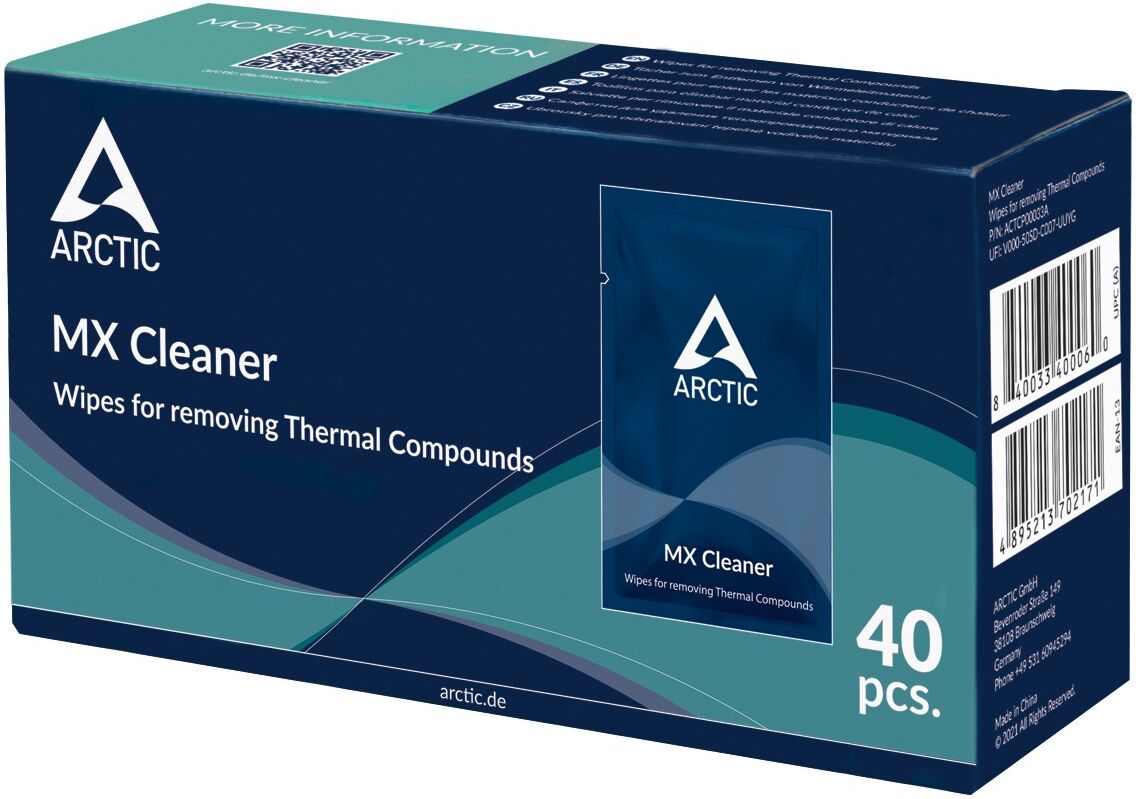
Arctic MX Cleaner - Wipes for removing Thermal Compounds (40 Pieces)ARCTIC MX Cleaner is a box of 40 individually sealed wet wipes for removing old thermal paste from CPUs, GPUs and heatsinks before reapplying compound. The cleaning fluid is limonene-based, derived from citrus oil, and contains no alcohol or benzene, so it is gentle on metals and alloys and leaves no residue. Each wipe is packed airtight to stay moist until it is used.12,99 £*Shipping: 0,00 £Secure redirect to the provider
-
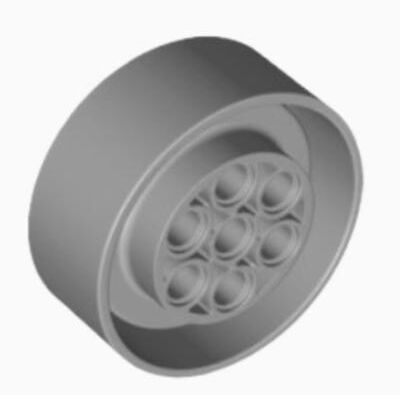
Lush Living Finds Perforated Brick Assembly Toy Accessories With Technology Mechanical Wheels Perforated Brick Assembly Toy Accessories With Technology Mechanical WheelsEnhance Creativity with Technology Mechanical Wheels Unlock the power of innovation with our technology mechanical wheels, designed specifically for perforated brick assembly toy accessories. Whether you are a hobbyist or a seasoned builder, these...43,97 $*Shipping: 0,00 $Secure redirect to the provider
-
Klutz: LEGO GadgetsThis activity kit will have you building 11 machines including a gravity powered car and a wacky boxing robot. The fun doesn't stop once you've completed all of the projects in the book - open-ended prompts will inspire you to continue experimenting...24,99 $*Shipping: 0,00 $Secure redirect to the provider
-
iFixit Essential Electronics ToolkitThe iFixit Essential Electronics Toolkit is a compact starter repair kit for phones, tablets, laptops, game consoles and other small electronics. It includes a precision bit driver with 16 precision bits plus the basic opening and prying tools needed for common repairs such as screen and battery replacements.40,99 £*Shipping: 0,00 £Secure redirect to the provider
-
How can one distinguish ionic compounds from molecular compounds?
Ionic compounds are formed from the attraction between positively and negatively charged ions, while molecular compounds are formed from the sharing of electrons between atoms. One way to distinguish between the two is to look at their chemical formulas. Ionic compounds typically consist of a metal and a nonmetal, while molecular compounds consist of nonmetals only. Additionally, ionic compounds tend to have higher melting and boiling points compared to molecular compounds due to their strong electrostatic attractions. Finally, conducting a simple solubility test can also help distinguish between the two types of compounds, as ionic compounds are often soluble in water while molecular compounds may not be. **
-
How do you distinguish determinative compounds and possessive compounds?
Determinative compounds are formed by combining two words to create a new concept, where the first word determines the meaning of the second word. For example, "blackboard" is a determinative compound where "black" determines the type of "board." Possessive compounds, on the other hand, indicate possession or relationship between the two words. For example, "John's car" is a possessive compound where "John" possesses the "car." In summary, determinative compounds determine the meaning of the second word, while possessive compounds indicate possession or relationship between the two words. **
-
Can you help me with chemistry? I need information about atomic compounds, metal compounds, and ionic compounds.
Of course! Atomic compounds are formed when two or more non-metal atoms are chemically bonded together, such as in molecules like water (H2O) and carbon dioxide (CO2). Metal compounds are formed when a metal atom is bonded to one or more non-metal atoms, such as in compounds like sodium chloride (NaCl) and iron oxide (Fe2O3). Ionic compounds are formed when a metal atom transfers one or more electrons to a non-metal atom, resulting in the formation of positively and negatively charged ions that are attracted to each other, such as in compounds like sodium chloride (NaCl) and calcium carbonate (CaCO3). Let me know if you need more specific information or examples! **
-
Why do molecular compounds have lower boiling points than ionic compounds?
Molecular compounds have lower boiling points than ionic compounds because the intermolecular forces holding the molecules together are generally weaker than the electrostatic forces holding ions together in ionic compounds. In molecular compounds, the intermolecular forces are typically van der Waals forces, dipole-dipole interactions, or hydrogen bonding, which are weaker than the strong ionic bonds in ionic compounds. As a result, less energy is required to overcome these weaker intermolecular forces, leading to lower boiling points for molecular compounds compared to ionic compounds. **
Similar search terms for Compounds
-
Multisell Products Hub Magnetic Bottle Opener For Household Mineral Water Plastic Beverage Bottles And Cap Opening, Kitchen Accessories Gadgets whiteEffortless Cap Opening for Everyday Kitchens Upgrade your routine with this 1 pcs Kitchen Accessories Gadgets Magnetic Bottle Opener for Household Mineral Water Plastic Beverage Bottles and Cap Opening designed for convenience and comfort. It makes...34,97 $*Shipping: 0,00 $Secure redirect to the provider
-
Sesderma Reti Age 5 Liposomal Serum Anti-Aging Innovation 30mLA facial serum for wrinkles and signs of ageing. Reduces wrinkles and fine lines. Hydrates and strengthens barrier. Restores youthful radiance. 5-Retinoid System: smooths wrinkles, accelerates renewal, and boosts collagen. Biomimetic Peptides: fill expression lines by stimulating collagen synthesis.54,51 £*Shipping: 5,34 £Secure redirect to the provider
-
Chicco Lullaby Playard with Electronics in IcebergQuilted mattress is thickly padded for babys nap time or playtime comfort ; Removable mattress covering is easy to machine wash ; Changing table is elevated for ease of use and thickly padded for babys comfort ; Quilted bassinet is perfect for...159,99 $*Shipping: 0,00 $Secure redirect to the provider
-
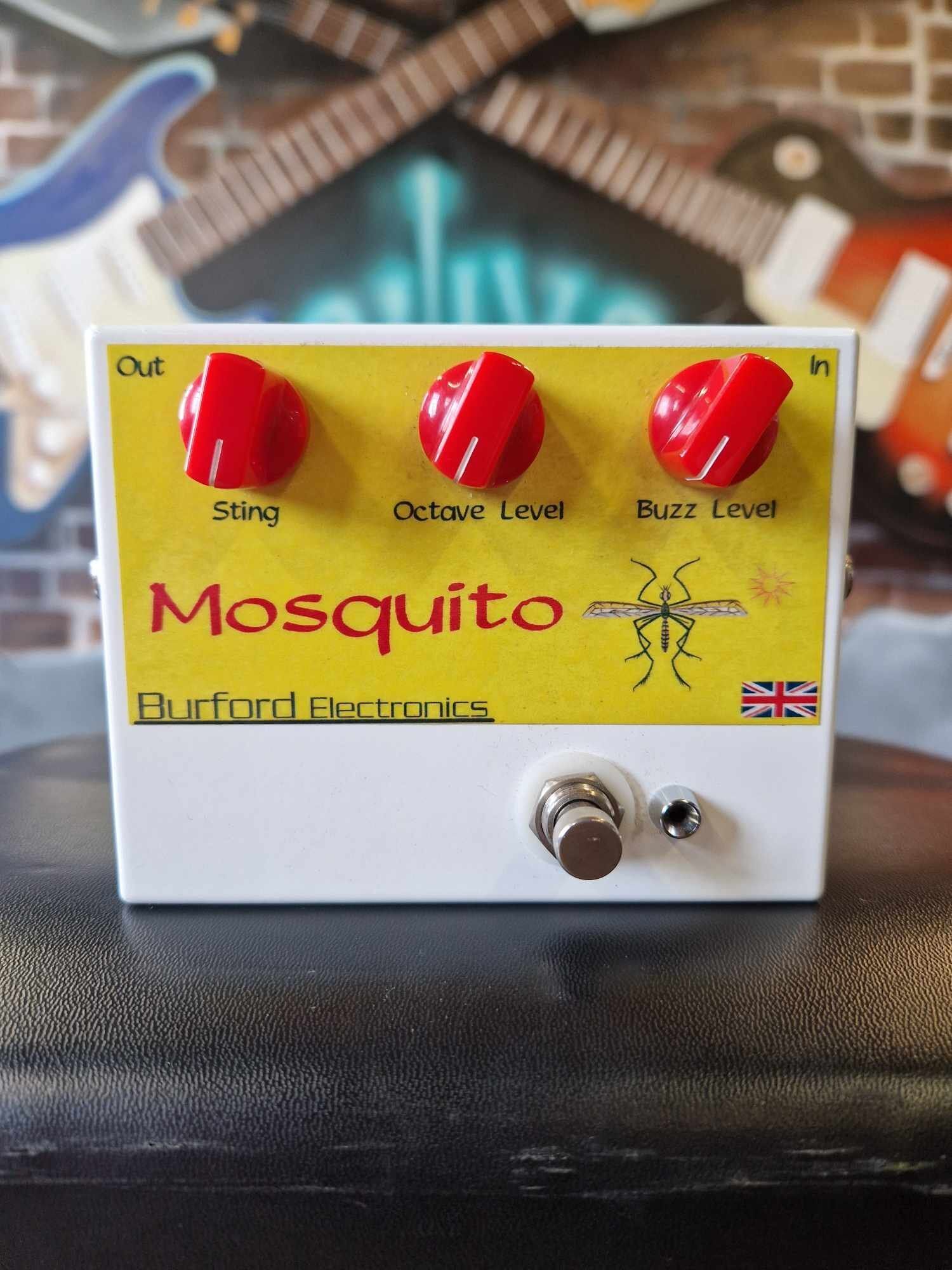
Burford Electronics Mosquito Fuzz Pedal Original - RefurbishedThis is a Burford Electronics Mosquito Fuzz Pedal. The Mosquito is a Fuzz/Octave pedal with a pretty unique sound, being closer to a fuzz more than a distortion this pedal delivers high octane fuzz sounds that will leave a sting. Here's what Burford Electronics say about the Mosquito Pedal: “A unique Octave up fuzz, which will give you pure fuzz on one twist of a knob & octave fuzz on one twist of another knob. So you can have your fuzz setting for a rich body & add octave fuzz to it or turn the fuzz down & just use the octave fuzz control for cutting lead. There is also a control called Sting, this is a tone filter that alters the voice of the octave from sharp to mellow. The octave is not over the top, on the lower register it is quite subtle, you can even play power chords and it holds together extremely well. Without that horrible modulation that is associated with some analogue octave up pedals, even some of the legendary expensive ones. Try soloing somewhere from the 8th fret upwards, it is very responsive and particularly so around 12th/15th fret and even higher. Neck and back pick ups give different sounds. Even playing positions will give different responses.”120,00 £*Shipping: 0,00 £Secure redirect to the provider
-
Name the isomeric compounds.
Isomers are compounds that have the same molecular formula but different structural arrangements. Some examples of isomeric compounds include butane and isobutane, which both have the molecular formula C4H10 but differ in their structural arrangement. Another example is glucose and fructose, which both have the molecular formula C6H12O6 but have different structural arrangements and properties. **
-
What are sodium compounds?
Sodium compounds are chemical compounds that contain sodium as one of their elements. These compounds can be found in various forms, such as sodium chloride (table salt), sodium hydroxide (lye), and sodium bicarbonate (baking soda). Sodium compounds are widely used in industry, agriculture, and everyday life due to their diverse properties and applications. **
-
What are molecular compounds?
Molecular compounds are chemical compounds formed by the combination of two or more non-metal atoms. These atoms are held together by covalent bonds, which involve the sharing of electrons. Molecular compounds can exist as discrete molecules, such as water (H2O) and carbon dioxide (CO2), and they typically have lower melting and boiling points compared to ionic compounds. Examples of molecular compounds include methane (CH4), ammonia (NH3), and sulfur dioxide (SO2). **
-
What are atomic compounds?
Atomic compounds are chemical compounds that are composed of individual atoms of different elements bonded together. These compounds are held together by chemical bonds, such as ionic or covalent bonds, and do not contain any molecules. Examples of atomic compounds include sodium chloride (NaCl) and water (H2O). Unlike molecular compounds, which are made up of molecules, atomic compounds are made up of individual atoms. **
* All prices are inclusive of VAT and, if applicable, plus shipping costs. The offer information is based on the details provided by the respective shop and is updated through automated processes. Real-time updates do not occur, so deviations can occur in individual cases. ** Note: Parts of this content were created by AI.