Buy qhm.eu ?
We are moving the project
qhm.eu .
Are you interested in purchasing the domain
qhm.eu ?
domain@kv-gmbh.de · 0541-91531010
Buy qhm.eu ?
Are the piano keys defective?
To determine if the piano keys are defective, you should first check if they are producing the correct sound when pressed. If the keys are sticking, making a buzzing noise, or not producing any sound at all, then they may be defective. Additionally, inspect the keys for any physical damage or irregularities that could be causing the issue. If you are still unsure, it may be best to have a professional piano technician inspect and assess the keys for any defects. **
Are the piano keys loose?
No, the piano keys are not loose. They are designed to be securely attached to the piano so that they can be played accurately and produce the intended sound. If the piano keys feel loose, it may indicate a problem with the piano's mechanism that should be addressed by a professional technician. **

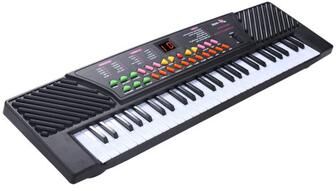
Similar search terms for Imports-Decor-Piano-Keys
Top-Angebote
Products related to Imports-Decor-Piano-Keys:
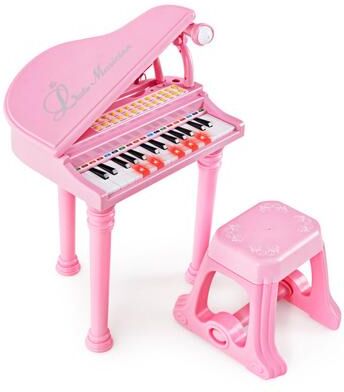

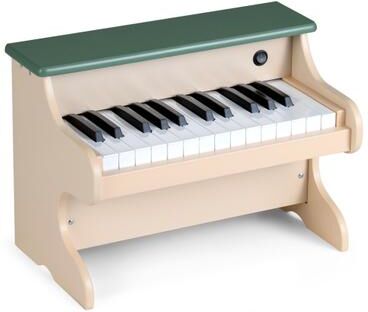

-
Are the piano keys too loud?
The loudness of piano keys can vary depending on the individual's playing technique and the specific piano being used. Some pianos may have keys that produce a louder sound than others, especially if they are not properly maintained or regulated. Additionally, the force with which a person strikes the keys can also impact the volume of sound produced. It is important to consider these factors when determining if the piano keys are too loud and make any necessary adjustments to achieve the desired volume level. **
-
How does one clean old piano keys?
To clean old piano keys, start by using a soft, damp cloth to gently wipe away any dust or dirt on the keys. For tougher stains or buildup, you can mix a small amount of mild soap with water and use a soft cloth to gently scrub the keys. Avoid using harsh chemicals or excessive moisture, as this can damage the keys. Finish by drying the keys thoroughly with a clean, dry cloth. **
-
How do you clean old piano keys?
To clean old piano keys, you can follow these steps: 1. Start by dusting the keys with a soft, dry cloth to remove any loose debris. 2. Mix a small amount of mild soap with warm water in a bowl. 3. Dip a soft cloth or sponge into the soapy water and wring out any excess liquid. 4. Gently wipe down each key, being careful not to get the keys too wet. 5. Use a separate clean, damp cloth to wipe off any soap residue. 6. Dry the keys thoroughly with a soft, dry cloth. 7. For stubborn stains or yellowing, you can use a small amount of white vinegar on a cloth to gently wipe the keys. 8. Finally, use a clean, dry cloth to buff the keys to a shine. It's important to be gentle when cleaning old piano keys to avoid damaging the ivory or plastic material. If you are unsure about cleaning your piano keys yourself, it's best to consult a professional piano technician for advice. **
-
How can I memorize the piano keys?
To memorize the piano keys, you can start by learning the pattern of black and white keys on the keyboard. Practice playing scales and chords regularly to familiarize yourself with the layout of the keys. You can also use mnemonic devices or visual aids to help remember the names of the keys. Consistent practice and repetition will help solidify your memory of the piano keys over time. **
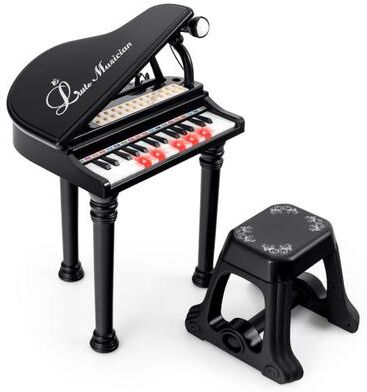

What is an Edding for piano keys?
An Edding for piano keys is a type of permanent marker that is used to mark or label piano keys. It is typically used by piano teachers or musicians to help students or themselves easily identify specific keys on the piano keyboard. The Edding marker is designed to be long-lasting and resistant to wear and tear from playing the piano, ensuring that the markings remain visible for a long time. **
How do you clean the piano keys?
To clean piano keys, start by using a soft, damp cloth to gently wipe the keys from left to right, being careful not to press too hard or use excessive water. For tougher stains or dirt, a mild soap solution can be used on the cloth, but be sure to wipe the keys again with a damp cloth to remove any soap residue. Avoid using harsh chemicals or abrasive materials, as they can damage the keys. It's also important to dry the keys thoroughly after cleaning to prevent any moisture from seeping into the piano. **
Top-Angebote
Products related to Imports-Decor-Piano-Keys:
-
Imports Decor Piano Keys Welcome Outdoor DoorMatAdding a doormat to your home is a simple and easy way to add a little bit of design outside. This decorative door mat for who live and love music This 1/2-inch thick, machine-made door mat combines PVC backing and coir material for maximum durability.54,99 $*Shipping: 0,00 $Secure redirect to the provider
-
Costway 54 Keys Kids Electronic Music PianoIf you want your child to fall in love with music. This electronic keyboard is ideal for children and beginners, stimulating their interest and creativity in music and accompanying children growing up.33,99 $*Shipping: 0,00 $Secure redirect to the provider
-
Are the piano keys defective?
To determine if the piano keys are defective, you should first check if they are producing the correct sound when pressed. If the keys are sticking, making a buzzing noise, or not producing any sound at all, then they may be defective. Additionally, inspect the keys for any physical damage or irregularities that could be causing the issue. If you are still unsure, it may be best to have a professional piano technician inspect and assess the keys for any defects. **
-
Are the piano keys loose?
No, the piano keys are not loose. They are designed to be securely attached to the piano so that they can be played accurately and produce the intended sound. If the piano keys feel loose, it may indicate a problem with the piano's mechanism that should be addressed by a professional technician. **
-
Are the piano keys too loud?
The loudness of piano keys can vary depending on the individual's playing technique and the specific piano being used. Some pianos may have keys that produce a louder sound than others, especially if they are not properly maintained or regulated. Additionally, the force with which a person strikes the keys can also impact the volume of sound produced. It is important to consider these factors when determining if the piano keys are too loud and make any necessary adjustments to achieve the desired volume level. **
-
How does one clean old piano keys?
To clean old piano keys, start by using a soft, damp cloth to gently wipe away any dust or dirt on the keys. For tougher stains or buildup, you can mix a small amount of mild soap with water and use a soft cloth to gently scrub the keys. Avoid using harsh chemicals or excessive moisture, as this can damage the keys. Finish by drying the keys thoroughly with a clean, dry cloth. **
Similar search terms for Imports-Decor-Piano-Keys
-
How do you clean old piano keys?
To clean old piano keys, you can follow these steps: 1. Start by dusting the keys with a soft, dry cloth to remove any loose debris. 2. Mix a small amount of mild soap with warm water in a bowl. 3. Dip a soft cloth or sponge into the soapy water and wring out any excess liquid. 4. Gently wipe down each key, being careful not to get the keys too wet. 5. Use a separate clean, damp cloth to wipe off any soap residue. 6. Dry the keys thoroughly with a soft, dry cloth. 7. For stubborn stains or yellowing, you can use a small amount of white vinegar on a cloth to gently wipe the keys. 8. Finally, use a clean, dry cloth to buff the keys to a shine. It's important to be gentle when cleaning old piano keys to avoid damaging the ivory or plastic material. If you are unsure about cleaning your piano keys yourself, it's best to consult a professional piano technician for advice. **
-
How can I memorize the piano keys?
To memorize the piano keys, you can start by learning the pattern of black and white keys on the keyboard. Practice playing scales and chords regularly to familiarize yourself with the layout of the keys. You can also use mnemonic devices or visual aids to help remember the names of the keys. Consistent practice and repetition will help solidify your memory of the piano keys over time. **
-
What is an Edding for piano keys?
An Edding for piano keys is a type of permanent marker that is used to mark or label piano keys. It is typically used by piano teachers or musicians to help students or themselves easily identify specific keys on the piano keyboard. The Edding marker is designed to be long-lasting and resistant to wear and tear from playing the piano, ensuring that the markings remain visible for a long time. **
-
How do you clean the piano keys?
To clean piano keys, start by using a soft, damp cloth to gently wipe the keys from left to right, being careful not to press too hard or use excessive water. For tougher stains or dirt, a mild soap solution can be used on the cloth, but be sure to wipe the keys again with a damp cloth to remove any soap residue. Avoid using harsh chemicals or abrasive materials, as they can damage the keys. It's also important to dry the keys thoroughly after cleaning to prevent any moisture from seeping into the piano. **
* All prices are inclusive of VAT and, if applicable, plus shipping costs. The offer information is based on the details provided by the respective shop and is updated through automated processes. Real-time updates do not occur, so deviations can occur in individual cases. ** Note: Parts of this content were created by AI.